








Understanding Smart TV 2026 Technology Trends
As we move deeper into 2026, the landscape of smart TVs continues to evolve rapidly, integrating cutting-edge technologies and features that redefine home entertainment. Consumers are increasingly seeking enhanced viewing experiences, making it crucial to understand what sets the smart TVs of today apart from their predecessors. This article delves into the latest trends in smart TV technology, offering insights into key features, emerging technologies, and what consumers can expect as they explore options for a smart TV 2026.
What Makes Smart TVs Different in 2026?
Smart TVs in 2026 are characterized by their ability to seamlessly connect to the internet and deliver a wide variety of content, but several advancements have made them more sophisticated than ever. Unlike older models, current smart TVs incorporate AI-driven interfaces that personalize user experiences. This means the TVs can learn viewer preferences over time, suggesting shows and movies based on individual tastes, making the viewing experience more enjoyable.
Another significant enhancement is the integration of advanced display technologies such as Mini LED and Micro LED. These innovations provide better brightness, higher contrast ratios, and improved color accuracy, elevating the visual quality significantly. Additionally, most smart TVs now offer compatibility with popular voice assistants, allowing for easier navigation and command execution through simple voice prompts.
Emerging Technologies in Smart TVs
The smart TV market in 2026 also showcases several emerging technologies that enhance not only picture quality but overall usability. One noteworthy trend is the advancement of OLED displays, which offer deeper blacks and richer colors compared to traditional LED screens. Manufacturers are focusing on increasing the durability and longevity of OLED panels, effectively addressing previous concerns about burn-in.
Moreover, the incorporation of 8K resolution is becoming more widespread, providing viewers with crystal-clear images that enhance the overall viewing experience. Although content availability in 8K is still limited, the trend signifies a shift towards higher resolution as technology advances.
Another exciting development is the implementation of interactive viewing features, enabling viewers to engage with content in new ways. For example, some smart TVs now allow viewers to access additional information about actors, scenes, and trivia while watching shows, creating a more immersive experience.
Key Features to Look for in a Smart TV 2026
When shopping for a smart TV in 2026, several key features should be considered to ensure a satisfactory purchase:
- Display Technology: Opt for TVs with OLED or high-quality Mini LED technology for superior picture clarity.
- Smart Platform: Choose a TV that runs on a robust smart platform, ensuring access to a wide range of streaming apps.
- AI Integration: Look for TVs that leverage AI for personalized recommendations and voice recognition capabilities.
- Connectivity Options: Consider models with HDMI 2.1 ports for high bandwidth, enabling the use of next-gen gaming consoles and higher resolution content.
- Sound Quality: Pay attention to built-in sound features; some models now come with Dolby Atmos support for enhanced audio experiences.
Top Smart TV Models for 2026
Comparative Review of Leading Brands
The smart TV market is flooded with impressive options from various manufacturers. Key players like Samsung, LG, and Sony are consistently at the forefront, providing models that excel in different aspects of smart TV technology. For instance:
- Samsung QN900C: Known for its stunning 8K resolution and Quantum HDR technology, this model is perfect for those seeking high-quality visuals.
- LG G3: Featuring OLED technology, this model boasts exceptional color accuracy and is ideal for movie enthusiasts.
- Sony A95K: With a reputation for excellent sound quality and the latest cognitive processor, this model is great for immersive viewing experiences.
Best Smart TVs for Different Budgets
Smart TVs come in a variety of price ranges, making it essential to choose based on your budget:
- Entry-Level: Models like the TCL 4-Series offer great value with essential smart features without breaking the bank.
- Mid-Range: The Hisense U6H provides impressive performance with solid brightness and color for a reasonable price.
- Premium: The Samsung S95B OLED is a high-end choice, delivering exceptional visuals and features for discerning viewers.
Consumer Reports on Popular Smart TVs of 2026
Consumer Reports consistently evaluates different models based on performance, features, and user satisfaction. Notably, the LG OLED C3 and Samsung Neo QLED QN90B have received high ratings for their superior brightness and color accuracy, making them standout options for 2026.
Essential Features of Smart TV 2026
Importance of User Interface and Streaming Services
The user interface of smart TVs has become increasingly vital in enhancing the viewer’s experience. A clean, intuitive interface allows for easier navigation among various streaming services, while integrated apps like Netflix, Hulu, and Disney+ bring convenience to the forefront. Additionally, some TVs now offer built-in functionalities for browsing content across multiple platforms, assisting users in finding what they want to watch without needing to jump between apps.
Integrating Smart Home Features
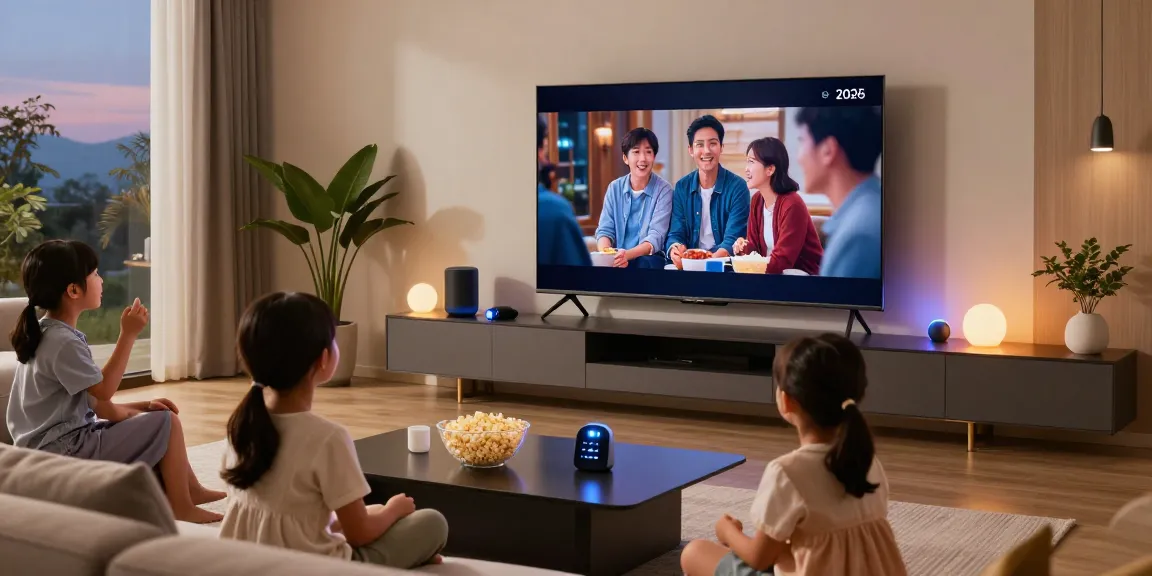
Modern smart TVs are not just standalone entertainment units; they can serve as central hubs for smart home management. Integration with devices like smart speakers, lights, and security cameras allows users to control their home environment directly from their TV. This connectivity potentially enhances user convenience, as controls for various smart home devices can be accessed in one place.
Interactive Features Enhancing Viewing Experience
The rise of interactivity in smart TVs is setting new standards for engagement. Features like social media integration allow users to share what they are watching or receive recommendations from friends. Further, interactive content—such as choose-your-own-adventure shows—are becoming more popular, thanks to their ability to immerse viewers in storytelling.
Choosing the Right Smart TV for Your Needs
Factors to Consider Before Making a Purchase
Before purchasing a smart TV, consider your viewing habits, room size, and budget. For instance, larger screens are ideal for expansive living rooms, while smaller models suit compact spaces better. Additionally, consider the primary use of the TV—whether for streaming, gaming, or general viewing—as this will guide your choice of features and specifications.
Common Misconceptions about Smart TVs
Several misconceptions about smart TVs can lead consumers astray. Many believe that all smart TVs require a constant internet connection for basic functionality, but most models will still allow for local content playback. Additionally, some think that a higher price is a guarantee for better features, while good mid-range models often offer excellent performance.
User Testimonials and Real-World Experiences
User experiences often provide valuable insights into a product’s real-world performance. Reviews on platforms like Reddit and consumer sites highlight both the strengths and weaknesses of different models, assisting future buyers in making informed decisions. Users frequently commend the speed of interfaces and the quality of integrated sound systems as key factors influencing satisfaction.
The Future of Smart TV Beyond 2026
Predictions for Smart TV Technology in the Next Decade
Looking into the future, smart TVs are likely to undergo significant transformations. Experts predict that advancements in artificial intelligence will further enhance personalization features, allowing TVs to understand viewer habits and preferences on an even deeper level. Moreover, the incorporation of augmented reality (AR) could provide new ways for consumers to engage with content.
How Streaming Habits Will Shape Smart TVs
The shift towards streaming is reshaping the TV landscape. As on-demand content continues to surge in popularity, smart TVs will adapt by prioritizing compatibility with emerging streaming services and formats. Integration with augmented reality experiences could become commonplace, allowing viewers to interact with content in entirely new ways.
Expert Insights on Industry Developments
Industry experts emphasize the importance of sustainability in smart TV development. As environmental concerns grow, manufacturers are likely to focus on creating energy-efficient models and reducing waste in the production process. Further, with the rise of 5G technology, smart TVs will offer faster streaming capabilities, enhancing user experiences and accessibility.