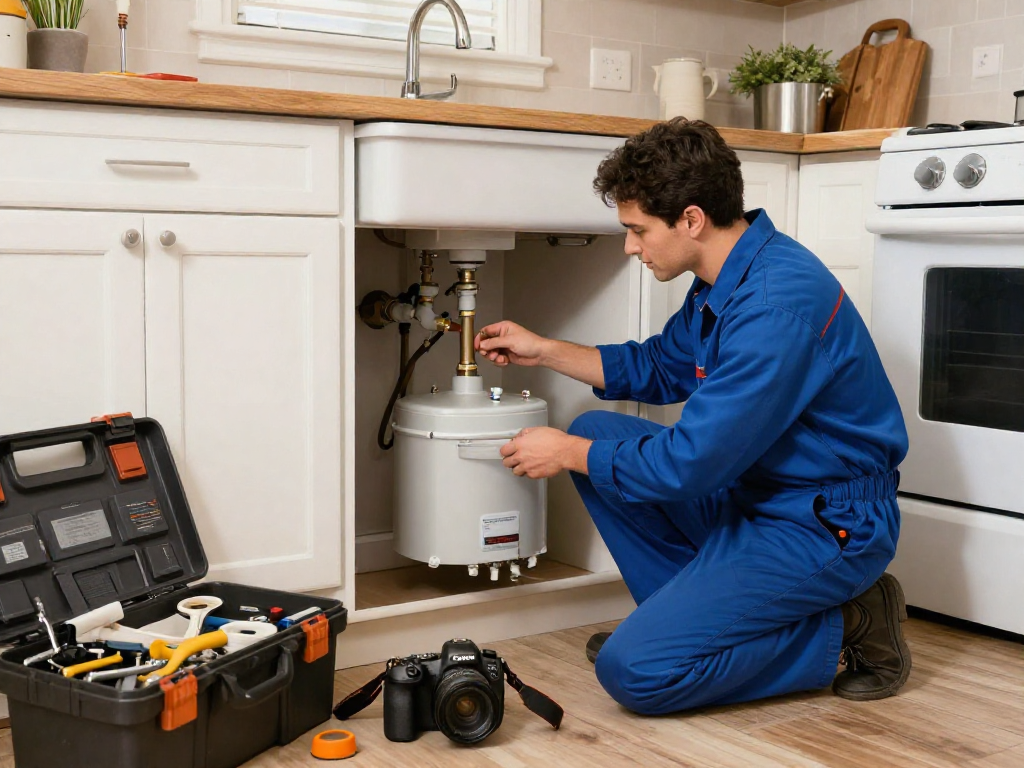
Understanding Common Water Heater Issues
Water heaters are an essential component of any home, providing hot water for showers, dishwashing, laundry, and more. However, like any other appliance, they can encounter problems that disrupt their operation. Understanding the signs that indicate a malfunctioning water heater can save homeowners from unexpected cold showers and costly repairs. When exploring options, direct water heater repair Fort Worth offers comprehensive insights into managing your water heating needs effectively.
What Signs Indicate Water Heater Problems?
Recognizing the early signs of a failing water heater is crucial for avoiding complete breakdowns and expensive emergency repairs. Homeowners should be alert to the following symptoms:
- Inconsistent Water Temperature: If you find that your water is unexpectedly hot, cold, or fluctuates during use, this might indicate an issue with the thermostat or heating element.
- Unusual Noises: Sounds such as rumbling, buzzing, or popping can signal sediment buildup in the tank or malfunctioning components.
- Discolored Water: Rust-colored or cloudy water can indicate corrosion within the tank or pipes, suggesting that your water heater may need replacement.
- Leaks Around the Unit: Any visible water pooling around your water heater may point to a leaking tank or faulty plumbing connections.
- Age of the Unit: Most water heaters have a lifespan of 8-12 years. If your unit is approaching or exceeding this age, it's wise to consider replacement.
Recognizing Major Leak or Plumbing Emergencies
A major leak or plumbing emergency can cause significant damage to your home and can occur unexpectedly. Signs that you might be facing a plumbing emergency include:
- Sudden Water Pooling: If you notice water accumulating rapidly in your home, it’s essential to act fast.
- Decreased Water Pressure: A sudden drop in water pressure can indicate a major leak in the system, diverting water away from where it should be flowing.
- Unpleasant Odors: Foul smells, particularly if accompanied by wastewater seeping, can signify a severe issue that needs immediate attention.
Importance of Regular Maintenance
Regular maintenance of your water heater can extend its life and enhance efficiency. Simple tasks such as flushing the tank annually to remove sediment buildup can prevent many common issues. Additionally, checking the anode rod and ensuring the temperature settings are optimal can help avoid larger problems down the line.
Fast Water Heater Repair Solutions
When your water heater shows signs of distress, timely intervention is crucial. Fast and efficient repair solutions can restore your comfort quickly and prevent further complications.
Step-by-Step Guide to Diagnosing Issues
Begin diagnosing your water heater problems with a systematic approach:
- Inspect the Thermostat: Make sure it is set to the desired temperature.
- Check the Power Source: Ensure the unit is receiving electrical power or check the gas supply for gas models.
- Look for Leaks: Carefully inspect the unit and surrounding plumbing for any signs of leaks.
- Listen for Noises: Identify the type of noises your heater is making and where they are coming from.
- Consult a Professional: If the issue persists, it's best to call a qualified technician.
Effective Repair Techniques for Homeowners
While some repairs should be left to professionals, homeowners can manage minor issues themselves. For example, replacing the temperature-pressure relief valve or flushing the tank are tasks that can save both time and money if handled carefully.
Why Immediate Action is Crucial
Delaying repairs can lead to more extensive damage, increased repair costs, or even complete heater failure. Acting swiftly when you notice any signs of trouble can prevent a small problem from becoming a major headache.
Water Heater Replacement Considerations
When repairs are no longer viable, or the unit is past its prime, replacement becomes necessary. Understanding the factors involved in selecting a new water heater can simplify this process.
When to Replace Your Water Heater
Homeowners should consider replacement when the unit exceeds its lifespan, frequently requires repairs, or fails to provide adequate hot water. If the cost of repairs approaches half the cost of a new unit, replacement is usually the more economical choice.
How to Choose the Right Replacement Unit
Selecting the right replacement water heater involves considering several factors, including:
- Type: Decide between traditional tank units and tankless options based on your home's needs.
- Capacity: Ensure the new unit can meet your household's hot water demands.
- Energy Efficiency: Look for units with high energy efficiency ratings to save on utility bills.
- Local Codes: Be aware of compliance requirements in Fort Worth to avoid issues during installation.
Cost and Energy Efficiency Analysis
Evaluating the upfront costs alongside long-term energy savings is essential. While tankless water heaters may have a higher initial price, they often result in lower utility costs over time. Understanding these dynamics will lead to a more informed purchasing decision.
Tankless Water Heaters Explained
Tankless water heaters are increasingly popular due to their efficiency and convenience. These systems heat water on demand, eliminating the need for a storage tank and offering significant space savings.
Advantages of Tankless Systems
Some advantages of tankless water heaters include:
- Endless Hot Water: You'll never run out of hot water, making them ideal for larger families.
- Energy Savings: They only heat water when needed, reducing energy waste and lowering bills.
- Space Efficiency: These systems take up much less room compared to traditional tanks.
Installation Process Overview
Installing a tankless system generally requires professional assistance to ensure it complies with local regulations. The process involves assessing your home’s existing plumbing, selecting the appropriate unit, and completing the installation with care for optimal performance.
Maintenance Tips for Longevity
To maintain a tankless water heater, consider regular descaling, keeping in mind that minerals can build up in regions with hard water. Additionally, regular inspections by professionals can catch potential issues before they escalate.
Emergency Plumbing Services in Fort Worth
Emergencies can strike at any time, which is why having access to reliable plumbing services is essential. Knowing what to do during a plumbing emergency can help mitigate damage and reduce repair costs.
Preparing for Plumbing Emergencies
Preparation can make a significant difference when a plumbing crisis occurs. Ensure that you know where the main water shut-off valve is located, and keep essential contact numbers for emergency services handy. Having basic tools can also prepare you for minor interventions.
How to Access 24-Hour Plumbing Help
In Fort Worth, many companies offer 24-hour emergency plumbing services. When contacting a professional, be ready to describe the problem clearly to get the right assistance promptly.
Understanding Pricing and Service Areas
Familiarizing yourself with the pricing structures of local plumbing services can help you budget for emergencies. Many companies, including those specializing in water heaters, provide transparent pricing information online, allowing you to understand the costs involved before any work begins.
What are the signs that my water heater needs repair?
Common signs include inconsistent water temperature, strange noises, and visible leaks. Regular maintenance can help alleviate these issues before they become major repairs.
How long does a water heater last?
Typically, a conventional water heater lasts between 8 to 12 years. Tankless models may last longer, often exceeding 20 years with proper maintenance.
What should I do in a plumbing emergency?
Shut off the nearest water valve or main supply, if possible. Avoid standing water near electrical equipment, and seek professional assistance. For serious emergencies, call your local plumbing service immediately.
Are tankless water heaters worth the investment?
While they can have a higher initial cost, the long-term savings on energy bills and the convenience of having hot water on demand make tankless water heaters a worthy investment for many homeowners.
How can I prevent plumbing issues in my home?
Regular maintenance, timely repairs of minor leaks, and ensuring proper usage of plumbing fixtures can go a long way in preventing future plumbing problems.